Can you say, right now, who has access to what?
For an MSP, the scariest question isn't from a client — it's from your cyber-insurer. Here's why access gets messy as you grow, a 5-minute orphaned-account audit, and how one access model fixes it.

A contractor finished a project three months ago. Quick question: do they still have access to that client's files? If you had to think about it, you're not alone — and that pause is exactly what your cyber-insurer is worried about.
For a growing IT business, "who can see what?" gets harder to answer with every hire, every tool, and every client.
Why access gets messy
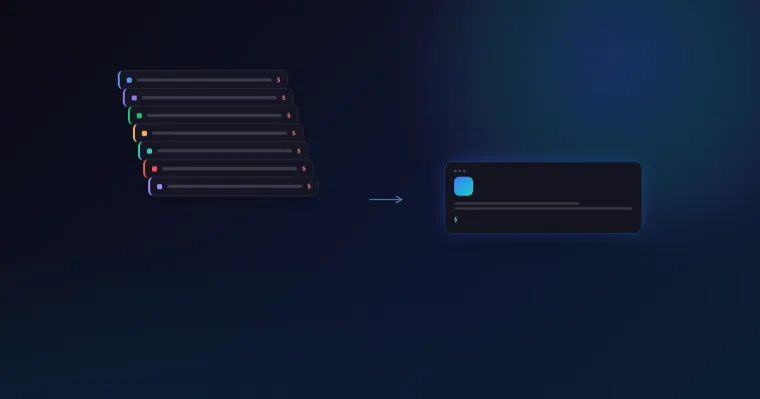
The problem isn't carelessness — it's that access lives in too many places. Every tool has its own permissions, set per-tool, per-hire. So offboarding someone means remembering all seven places they had a login, and that depends on memory. Orphaned accounts are how breaches (and failed audits) happen.
A 5-minute audit
Try this right now: pick someone who left or rolled off in the last quarter, and check each system:
- Email / shared drive — still a member of any client folders?
- CRM — still an active user?
- Repos / hosting — keys or seats still active?
- Password manager — still in shared vaults?
- The client's own systems — still on their allow-list?
If you can't get to a confident "all clear" in five minutes, that's the gap an attacker (or an auditor) walks through.
One access model, not seven
The fix is to stop managing access tool-by-tool. In CNEX-Flow, a person's access comes from their role and division — provision on hire, revoke on exit, in one place, with a full audit trail and a reverse lookup that answers "who can see this client?" instantly.
And here's the part that matters for AI: if your login can't see it, neither can your AI. Connekz inherits the exact same permissions, so asking it a question can never leak what your role couldn't already access.
Know exactly who can see what
See how one access model — provision, revoke, audit, reverse-lookup — replaces the per-tool scramble.
The CNEX team
We build CNEX-Flow in the open — and run our own business on it. Read the build story →
See CNEX-Flow run your shop.